


















ADL Support for Seniors at Premium Senior Homes
28-09-26
When Everyday Tasks Become Difficult: How ADL Support Helps Seniors Live with Dignity
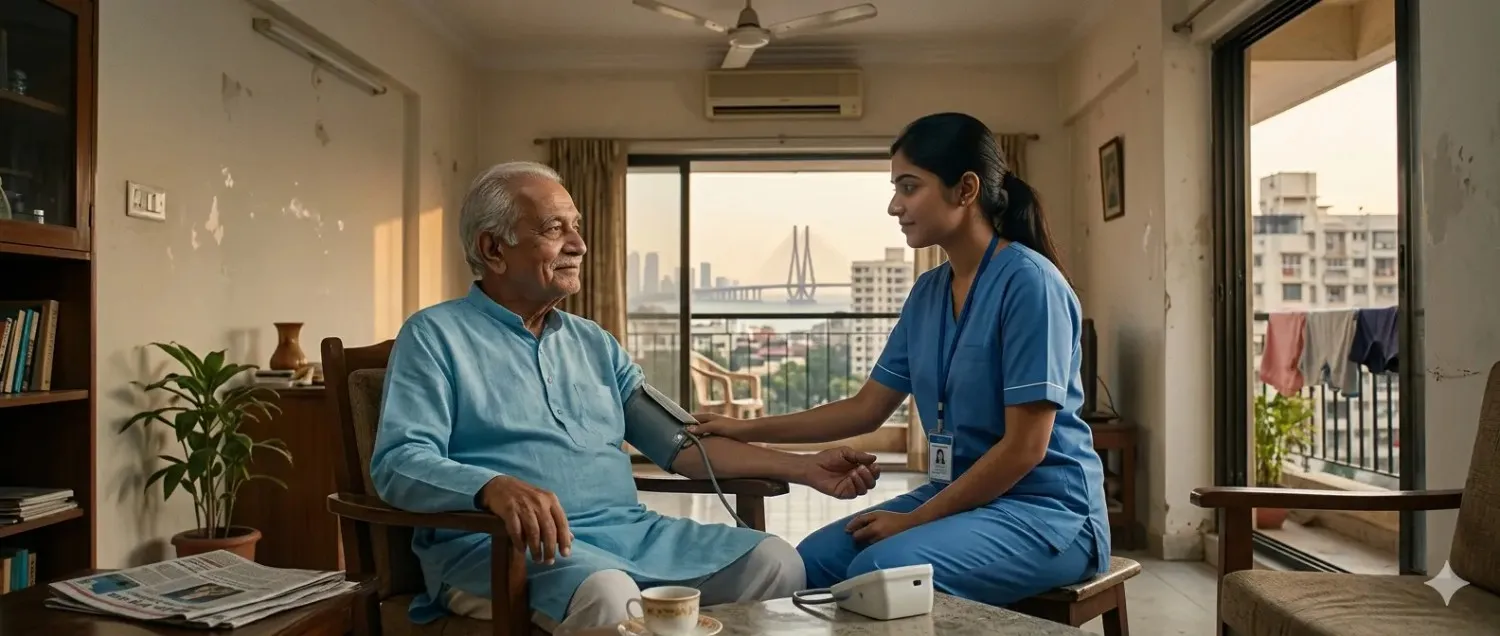
Every Sunday, Neha visited her 79-year-old father, Sudhir, in Mumbai. Sudhir was mentally alert and fiercely independent. He read the newspaper every morning, managed his finances and spoke regularly with old friends.
Whenever Neha asked whether he needed help at home, his answer was immediate.
“I can manage.”
During one visit, however, Neha noticed several small changes.
Her father was wearing the same clothes as the previous day. Breakfast was still untouched. He admitted that he had avoided bathing because stepping into the bathroom made him nervous. Getting up from his low chair required several attempts. He had postponed changing his bedsheet because bending had become difficult.
None of these problems appeared to be a medical emergency. Yet together, they showed that ordinary daily life was becoming tiring and sometimes unsafe.
Sudhir did not necessarily need someone to take over his life. He needed the right support at the right moments.
This is not just Neha’ s story, but it reflects a situation faced by many seniors and their families.
What Are Activities of Daily Living?
Activities of Daily Living, commonly called ADLs, are the basic personal tasks people perform every day.
The National Institute on Aging includes activities such as bathing, dressing, grooming, eating, using the toilet and moving around—for example, getting out of bed and into a chair.
These tasks may appear simple because most adults perform them without thinking. However, they require a combination of strength, balance, flexibility, coordination, memory, judgement and confidence.
When one or more of these abilities decline, the senior may begin to struggle.
Why Seniors May Find ADLs Difficult
Difficulty with daily activities can develop for many reasons:
- Reduced muscle strength
- Joint pain or stiffness
- Poor balance
- Recovery after surgery or hospitalisation
- Stroke-related weakness
- Vision or hearing difficulties
- Breathlessness or fatigue
- Tremors or weak grip
- Memory loss or confusion
- Fear of falling
- Depression or loss of motivation
The difficulty may be temporary, progressive or different from one day to another.
A senior recovering after hospitalisation may need substantial support for a few weeks and later become more independent. Another person with arthritis may need help only with bathing or dressing. Someone with cognitive changes may be physically capable but require reminders, supervision and step-by-step guidance.
Care should therefore be based on the individual—not only on the basis of age or diagnosis alone.
Small Changes Can Be Important Warning Signs
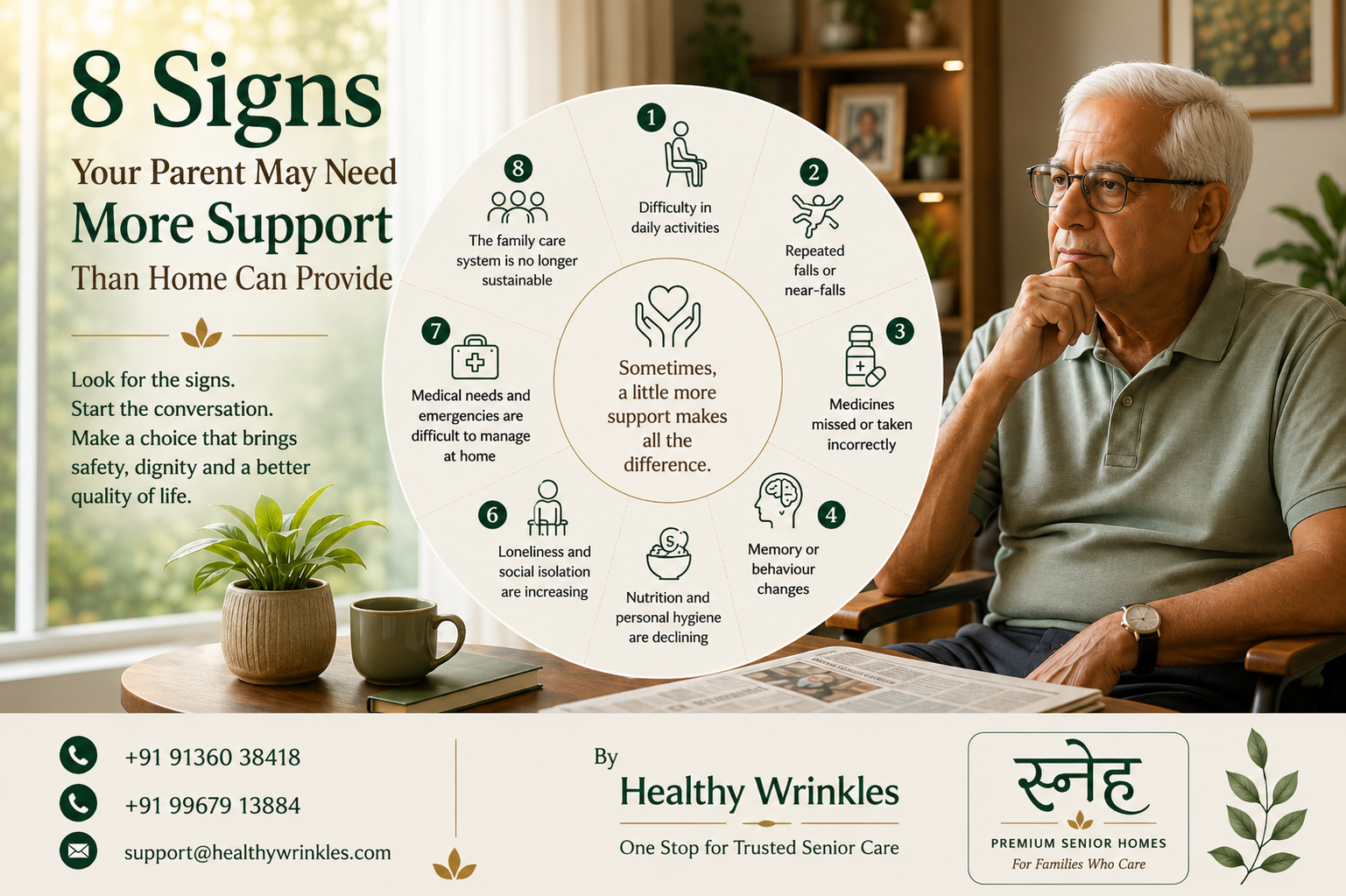
Families may notice less frequent bathing, repeated clothing, skipped meals, bruises, near-falls, missed medicines, difficulty rising from a chair or a previously neat home becoming disorganised.
One sign alone may not indicate a major problem, but a pattern deserves attention. A sudden decline in daily functioning should also prompt consideration of a medical assessment.
Why Seniors May Hide Their Difficulties
Many older adults do not tell their children that everyday tasks are becoming difficult.
They may fear losing independence. They may worry that the family will insist on relocation. They may feel embarrassed about needing help with bathing, dressing or toileting.
Some seniors adjust quietly. They avoid a difficult task, perform it less frequently or develop an unsafe shortcut. Therefore, families should begin the conversation with respect.
Instead of saying, “You cannot manage anymore,”
Neha could say: “Papa, I can see that some tasks are taking more effort. Let us arrange support for the difficult parts so that you can continue doing the things you manage well.”
This changes the conversation from loss of control to preservation of independence.
Domestic Help and Personal Care Are Different
A domestic helper may cook, clean and manage household work. Personal care can require different skills.
A senior who has difficulty standing during a bath needs safe assistance; someone with weakness may need careful help while dressing; a person with confusion may need calm, step-by-step guidance.
Trained caretaking and nursing support bring greater structure, observation and accountability.
ADL Support Should Preserve Ability, Not Replace It
Good care does not mean doing every task for the senior.
If a resident can eat independently after the plate is positioned correctly, that ability should be encouraged. If the person can dress with only help for buttons, the caregiver should not take over the entire process.
The principle is simple:
Assist where necessary. Encourage where possible.
This approach can protect confidence and dignity. It also helps the care team notice changes in ability.
If a senior who previously walked to the dining room suddenly needs substantial assistance, the change should not be dismissed as “old age.” It may need clinical attention.
How Professional ADL Support Helps
A professionally managed Premium Senior Home can provide coordinated support throughout the day.
Bathing and Personal Hygiene
The team can help the resident enter and leave the bathroom safely, organise clothing and toiletries, and provide assistance according to need.
Privacy must remain central. The senior should be informed before assistance is given and encouraged to do whatever can be managed independently.
Dressing and Grooming
Support may include selecting suitable clothes, managing fasteners and maintaining basic grooming.
Being clean and appropriately dressed supports comfort, self-esteem and social participation.
Meals and Hydration
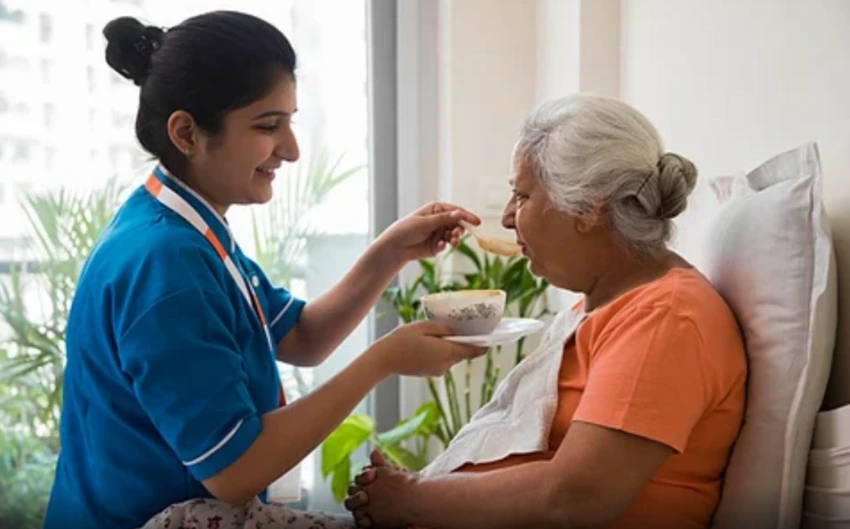
Some residents may need food served accessibly, help with cutting it, gentle encouragement or observation of intake. Significant eating or swallowing difficulties should be communicated to the appropriate healthcare professional.
Mobility and Transfers
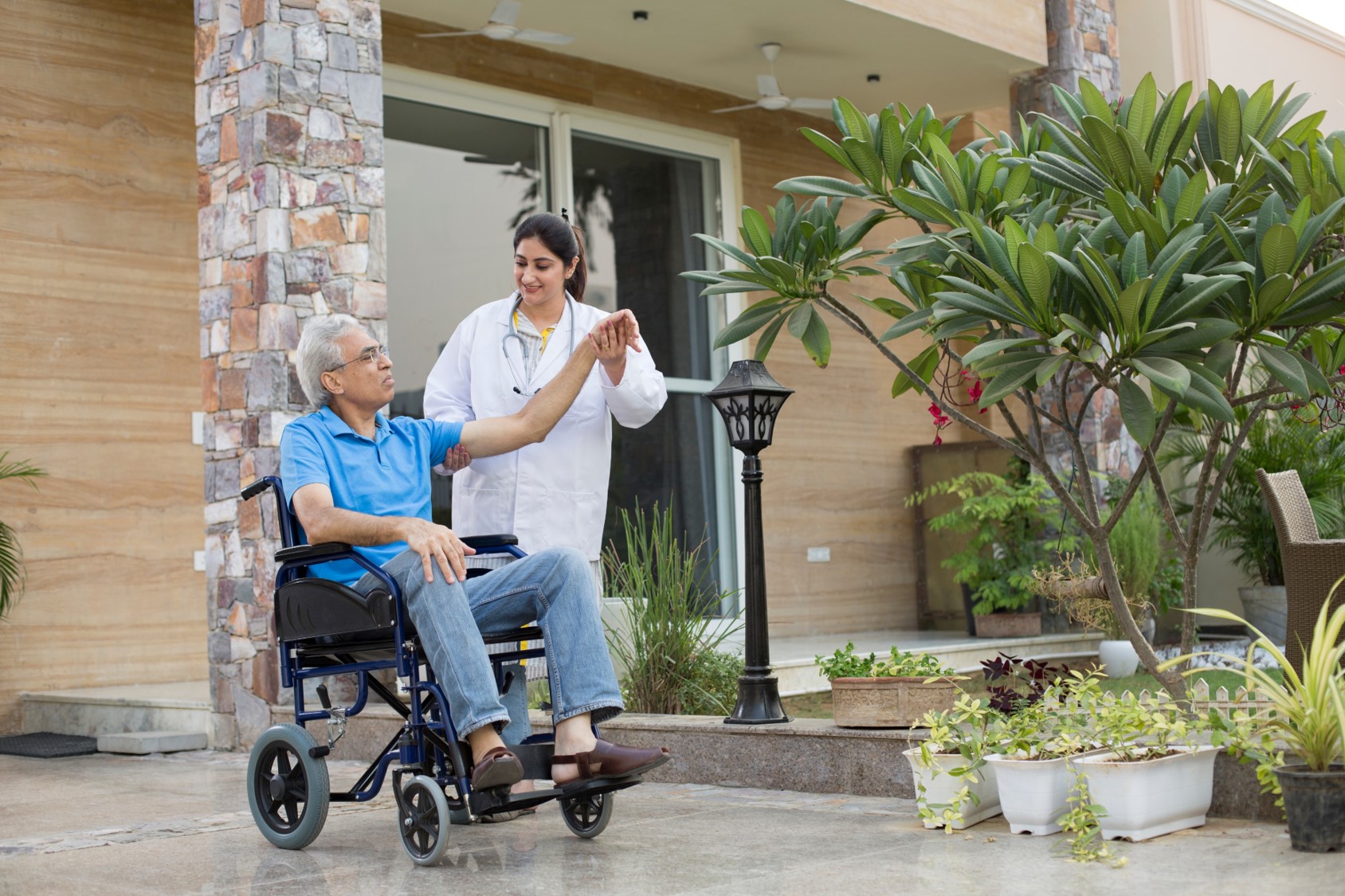
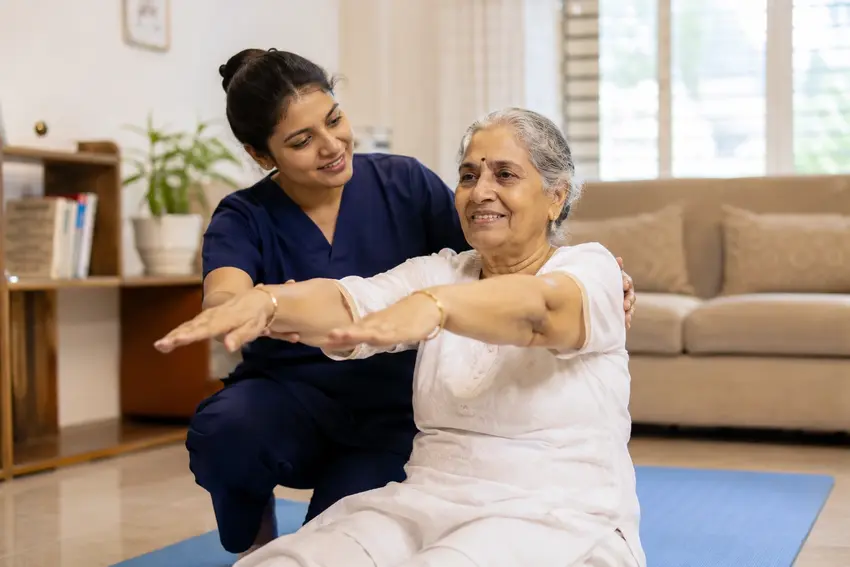
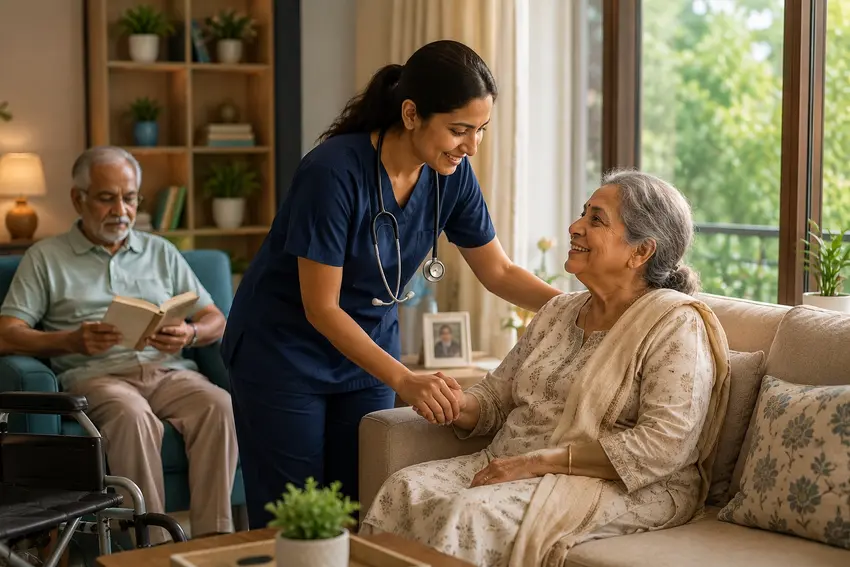
A senior may need help rising from bed, transferring to a chair or walking safely. Assistance should follow the resident’s assessed ability and care plan, with nursing or physiotherapy input where relevant.
Toileting Support
This support must be handled discreetly, promptly and respectfully. Delayed assistance can cause discomfort, embarrassment and avoidable hygiene problems.
Medicine Support
Daily care may include reminders, assistance or supervised consumption of prescribed medicines, connected to the current prescription, pill-box preparation, stock monitoring and documentation.
Caretaking and Nursing Work Together
At Sneh, caretaking and nursing support serve related but different purposes.
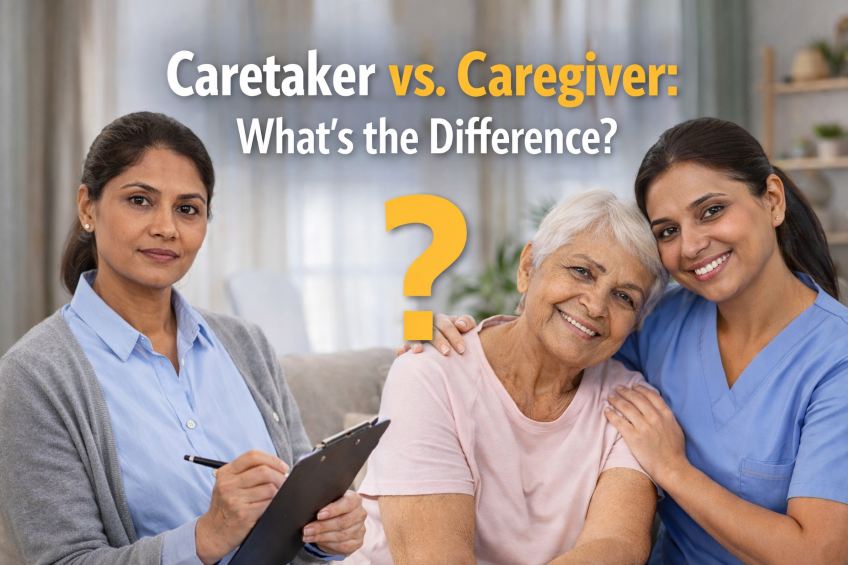
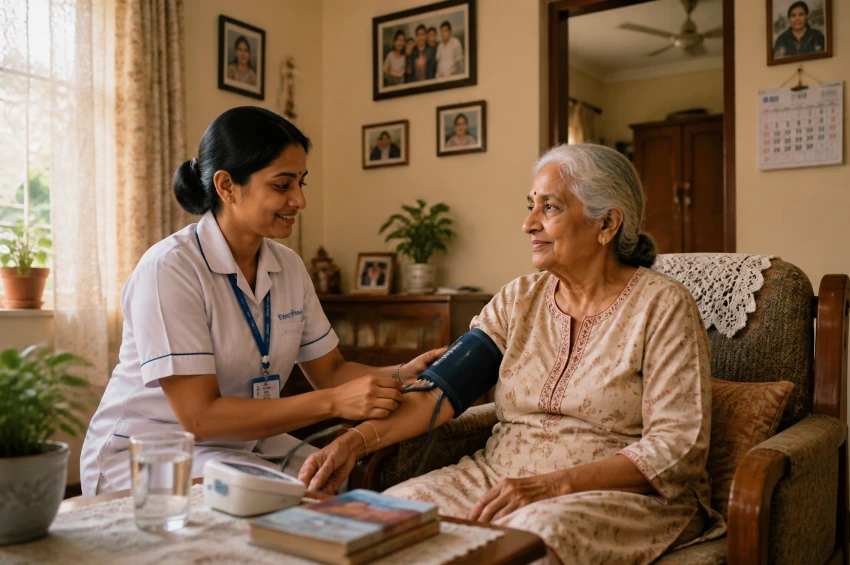
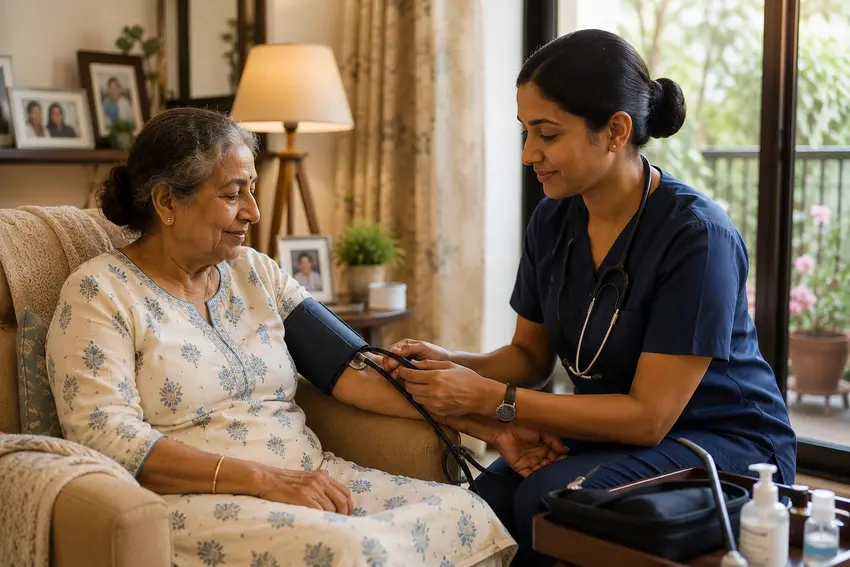
Caretakers assist with routine personal needs and daily activities. Nurses contribute clinical observation, medication support and escalation when a change needs medical attention.
This combination is important because difficulty with an ADL may sometimes be the first visible sign of a health problem.
A resident who suddenly becomes unsteady, unusually sleepy, confused or unable to eat may require more than routine assistance. The care team should recognise the change and follow the appropriate protocol.
ADL Support at Sneh – Premium Senior Homes
At Sneh – Premium Senior Homes, located Near Lodha Amara, Thane, professional support for Activities of Daily Living is built into the care environment.
Depending on individual needs, residents can receive compassionate assistance with:
- Bathing and personal hygiene
- Dressing and grooming
- Eating and hydration
- Mobility and transfers
- Toileting
- Prescribed medicine routines
- Other essential daily activities
The support is backed by caretaking as well as nursing availability. Needs can be assessed and the level of assistance adapted to the resident.
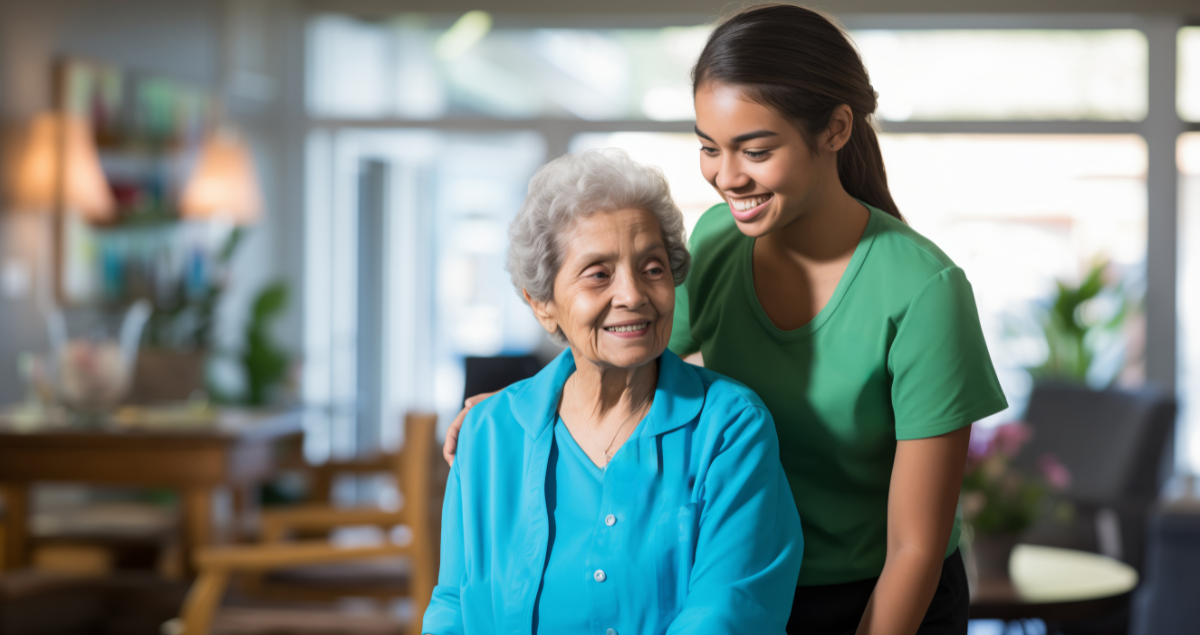
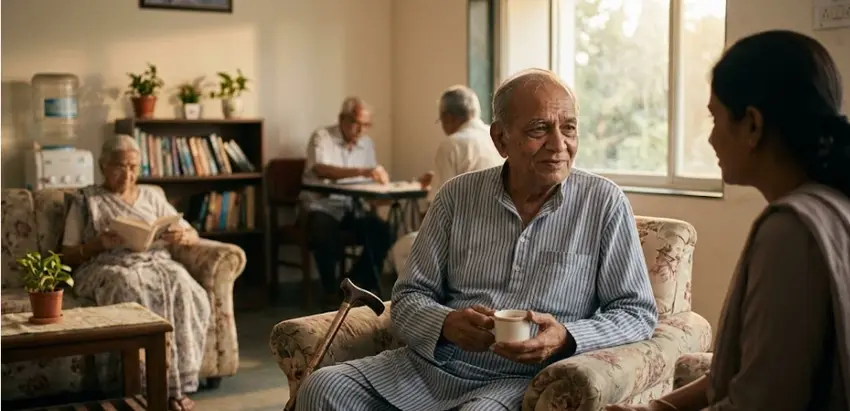
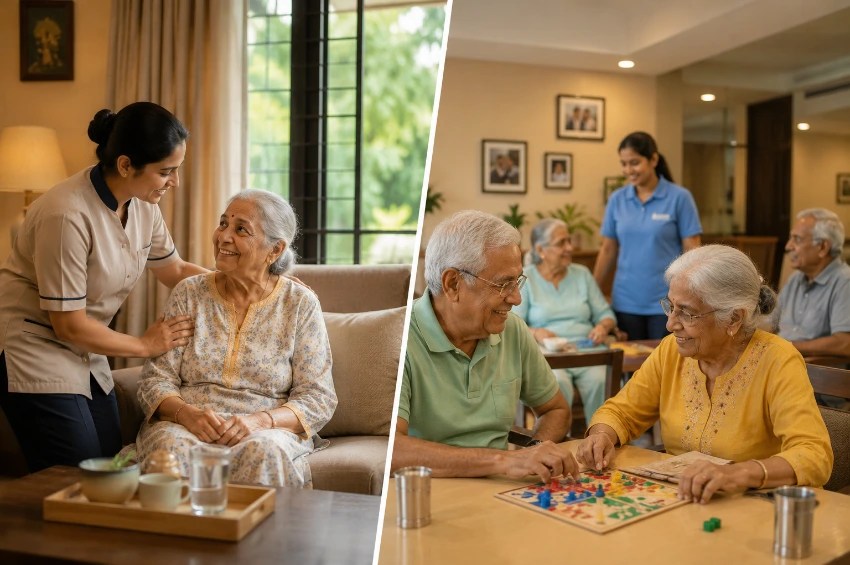
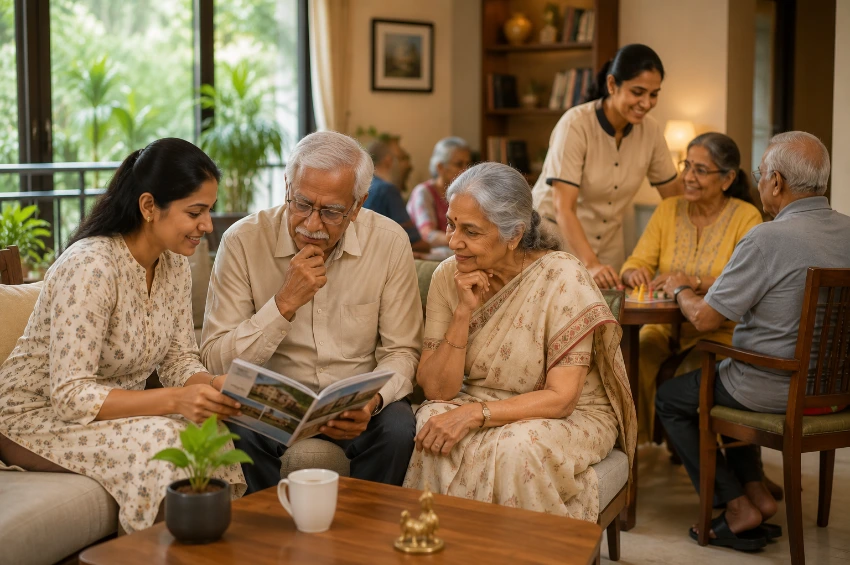
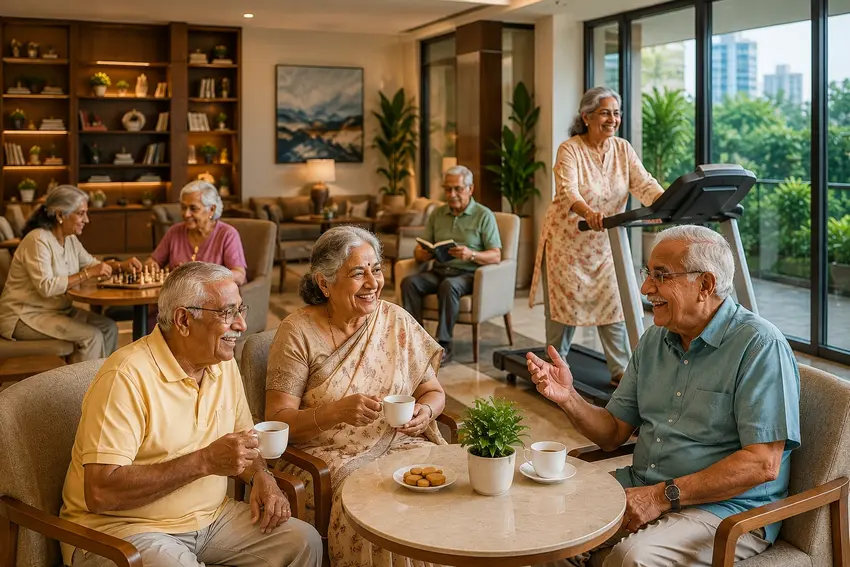
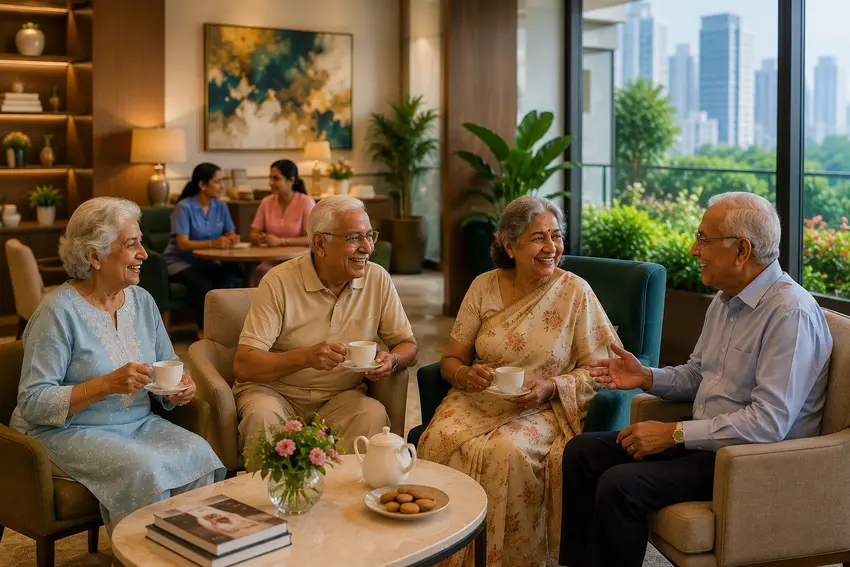
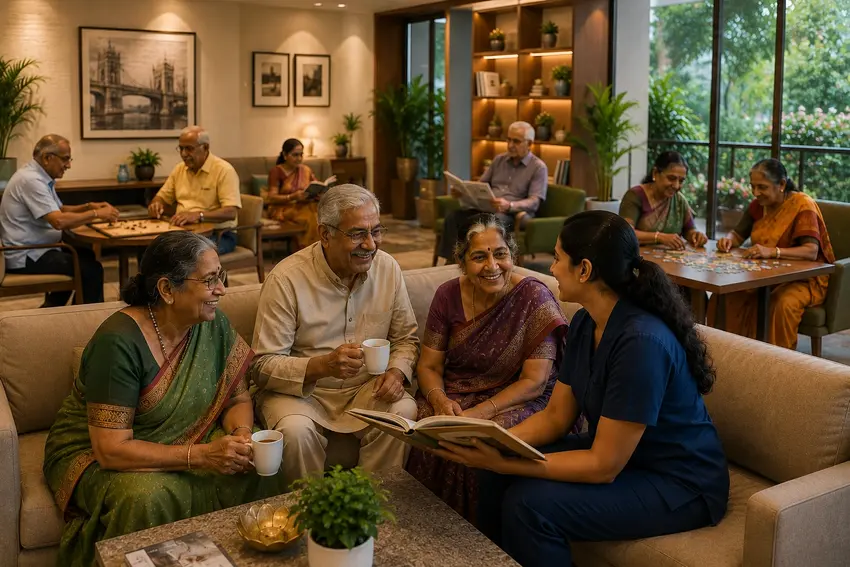
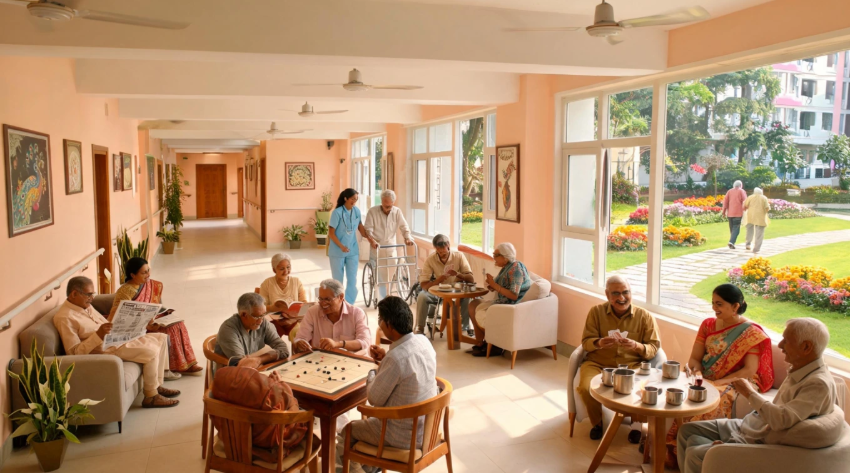
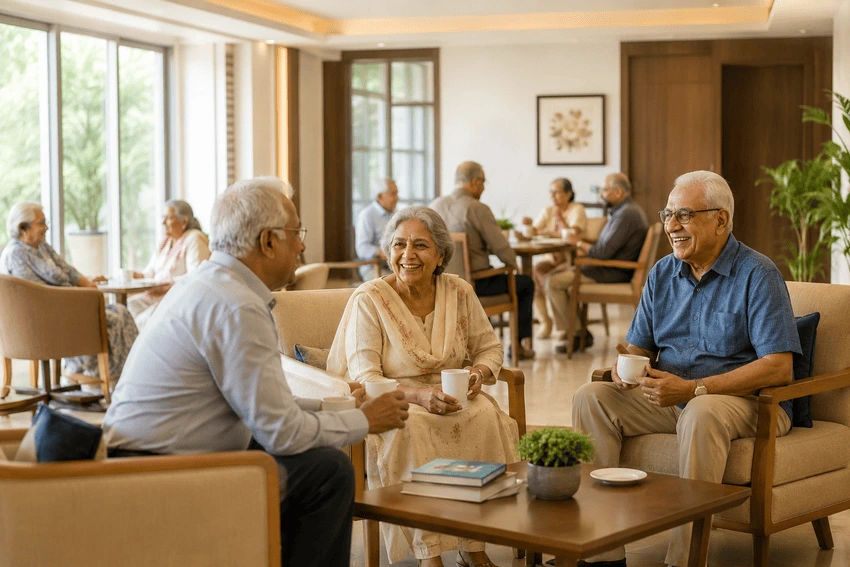
Sneh’s environment remains warm, respectful and homelike. Assistance is intended to help daily life continue smoothly-not to make the senior feel like a patient.
This support sits alongside nutritious meals, medicine management, daily doctor visits, emergency preparedness, companionship and suitable engagement activities.
For families exploring Premium Senior Homes in Thane, Senior Assisted Living in Mumbai, Premium Assisted Living near Mulund, Senior Homes near Navi Mumbai or a suitable old age home near Mumbai, the quality of ADL support deserves careful attention.
Questions Families Should Ask
Families should ask how ADL needs are assessed, whether support changes with the resident’s condition, how privacy is maintained, when nursing support becomes involved and how important changes are communicated. Look beyond the statement that “caretakers are available.” Understand how personal care is actually planned and delivered.
Independence Can Include Accepting Support
For Sudhir, accepting help with bathing, dressing or mobility would not mean surrendering independence. It could mean preserving his energy for reading, conversations, activities and the parts of life he continued to enjoy.
For Neha, peace of mind would come from knowing that her father would not have to choose between struggling alone and giving up control. Activities of Daily Living are ordinary tasks—but they shape comfort, confidence, health and dignity every day.
When these activities become difficult, compassionate professional support can keep life moving.
Independence does not always mean doing everything alone.
Sometimes, it means having the right help to continue living life on your own terms.
Sneh – Premium Senior Homes
Near Lodha Amara, Thane
For Families Who Care
By Healthy Wrinkles – One Stop for Trusted Senior Care
Phone: +91 91360 38418 | +91 99679 13884
Email: support@healthywrinkles.com
Website: www.healthywrinkles.com